Gender Integration & Insights
We apply a gender-transformative lens to livestock data to identify changes needed for more equitable, inclusive, and resilient systems.
Driving equity through data
At SEBI-Livestock, we believe that data without demographic context is incomplete. While the livestock sector often focuses on animal productivity and value chain efficiency, true transformation requires understanding the people behind the data. Our Gender Integration area of work applies a gender-transformative lens to livestock data, ensuring that decisions drive not just economic growth, but also equitable, inclusive, and resilient systems in low-and middle-income countries.
Why gender matters in livestock data
Livestock management is deeply embedded in social norms, roles, and power dynamics. Who owns the animal? Who controls the income from its sale? Who performs daily care tasks? Without answers to these questions, interventions may fail or even exacerbate existing inequalities. If we do not understand the distribution of tasks in value chains or at the household-level, or the specific rules governing men's and women's access to resources, we cannot fully explain why an intervention succeeds or fails.
Our work moves beyond simple "gender sensitivity" to gender intentionality. We support the sector in generating sex-disaggregated data as a baseline, but we go further by analyzing what that data means. We support Gates Foundation grantees and partners to move from collecting data to generating insights that reveal the "why" behind the numbers.
Integrating gender across our work
Gender integration is woven into every aspect of our operational model, linking directly to our other core areas of work:
Monitoring & Learning: We work closely with Gates Foundation livestock grantees to review results frameworks, ensuring that gender indicators—particularly sex-disaggregated data on ownership and income control—are embedded at the core. We facilitate "insights conversations" that help decision-makers interpret this data to adapt programs in real-time. Learn more about our work on Monitoring & Learning.
Evidence Synthesis & Modelling: Our research processes intentionally include gender-specific search strings and qualitative analysis. We recognize that robust evidence comes from combining quantitative metrics with qualitative insights into social norms. Our models increasingly incorporate sex disaggregated data to produce gender aware result. We use tools like the Women's Empowerment in Livestock Index (WELI) and its fisheries counterpart (WEFI) to measure empowerment outcomes alongside productivity gains. Learn more about our work on Evidence Synthesis & Modelling.
Data Products & Innovations: We are developing dashboards and data products that visualize gender dynamics across different value chains (such as milk, meat, poultry, and aquaculture). By making this data accessible, we enable stakeholders to identify where targeted interventions can shift power dynamics and improve women's control over income. Learn more about our Data Products & Innovations.
- LD4D Network: Through the Livestock Data for Decisions (LD4D) network, we convene Solutions Groups that include gender experts in each focus area. We ensure that every data tool or knowledge product emerging from the network has a gender lens applied. Our Gender & Livestock Modelling Solutions Group is working to mainstream gender into commonly-used livestock models. Furthermore, we support the development of global training resources, including online courses on the Gender and Livestock Development Framework and the Women's Empowerment in Livestock Index (WELI), to build capacity among grantees and the wider community. Learn more about the LD4D Network.
The path forward
Our goal is to shift the culture of data generation in the livestock sector. In the coming years, we aim to see a global community where gender-integrated data generation is the norm, not the exception. By equipping grantees with the tools to track women's empowerment and control over income, and partnering with leading livestock research and funding organizations, we are building a foundation for lasting change.
Ultimately, Gender Integration at SEBI-Livestock is about ensuring that the drive for productivity does not leave half the population behind. By making the invisible visible through better data, we empower decision-makers to create livestock systems that work for everyone.
Related activities
People

Johanna Wong

Ana Miranda

Vanessa Meadu
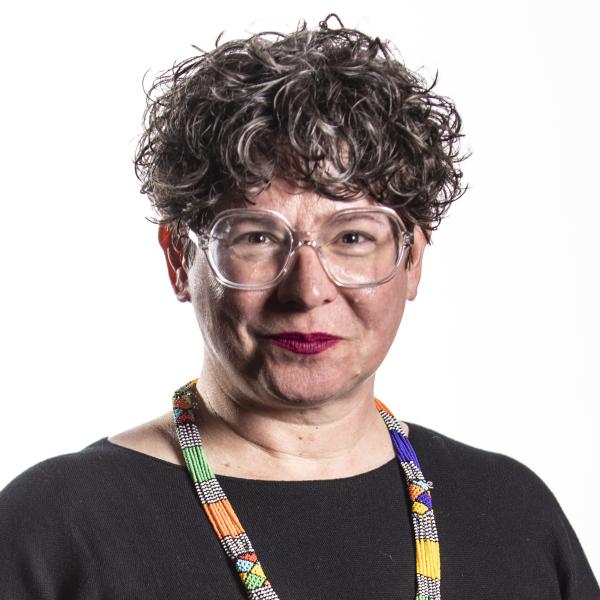
Julie Koehler

Karen Smyth
Stories
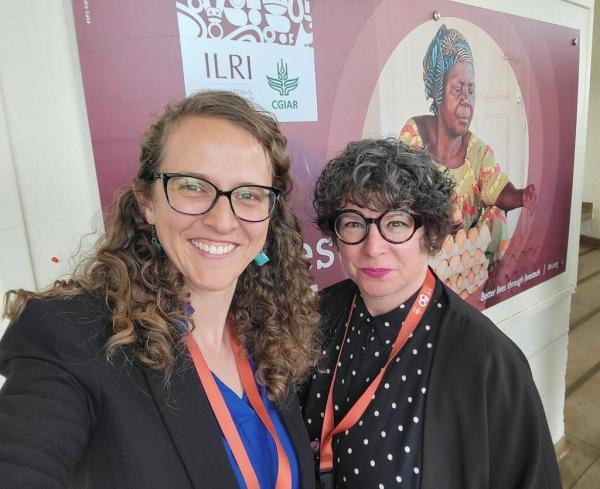
SEBI-Livestock Engages at FAO PPR Socioeconomic Working Group Meeting in Nairobi
Our colleagues Julie Koehler, Katherine Dirsmith, and Fiona Allan recently took part in the Food and Agriculture Organisation of the United Nations (FAO) Peste des Petits Ruminants (PPR) Socioeconomic Working Group meeting, hosted at the Livestock Research Institute (ILRI) campus in Nairobi.
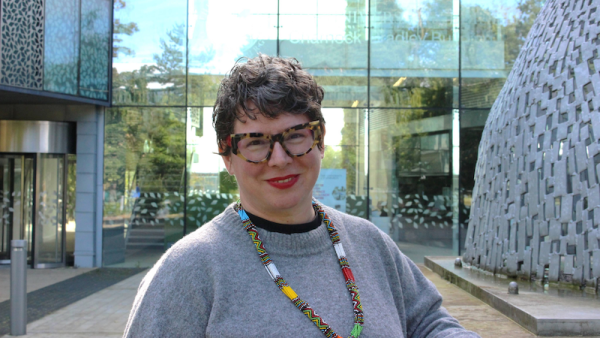
Introducing Julie Koehler
We’re thrilled to welcome Julie Koehler to our team as the Head of Gender (Data in Livestock Development). With 20 years of experience spanning humanitarian response, development, and academia, Julie brings a wealth of knowledge and passion to our organization. Let’s get to know her better through this Q&A.
Explore other Areas of Work
Image



Image